
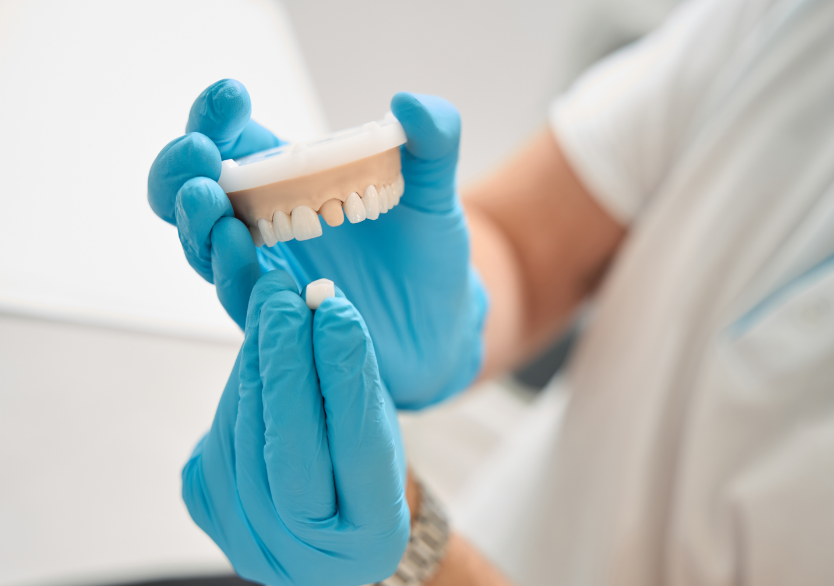
Dental crowns are designed to protect and strengthen damaged teeth, but they aren’t meant to last forever. Over time, everyday wear and tear can affect how well a crown functions and fits. Recognizing early warning signs that a dental crown may need to be replaced can help prevent discomfort, infection, or more extensive dental work down the road. Regular dental visits play a key role in identifying these issues before a crown fails.
Pain or Sensitivity Around the Crown
One of the most common signs that a crown may need to be replaced is persistent pain or sensitivity. Discomfort when biting down or sensitivity to hot and cold temperatures can indicate that the tooth beneath the crown is no longer fully protected. This may be caused by decay developing under the crown or changes in how the crown fits over time. While occasional sensitivity can be normal, ongoing pain should always be evaluated by a dentist.
Visible Wear, Damage, or Cracks
Crowns are made from durable materials, but years of chewing, grinding, and clenching can take a toll. Chips, cracks, or thinning of the crown surface can compromise its ability to protect the tooth underneath. Even small fractures may allow bacteria to seep in, increasing the risk of decay or infection. In some cases, damage may not be obvious without a dental exam, which is why routine checkups are so important.
Loose or Shifting Crown
A crown that feels loose or moves slightly when you chew is a sign that it may no longer be securely bonded. This can happen if the cement holding the crown in place begins to wear down or if decay forms under the crown. A loose crown not only feels uncomfortable but also creates space for bacteria to enter. Addressing this issue promptly can prevent further damage to the tooth.
Changes in Gum Tissue Around the Crown
Healthy gum tissue should sit snugly around a dental crown. If you notice redness, swelling, bleeding, or receding gums around the crowned tooth, it may be a sign that the crown is no longer fitting properly. Ill-fitting crowns can irritate the gums and make it harder to keep the area clean, increasing the risk of gum disease and decay.
Crown Age and Normal Wear
Even if a crown isn’t causing obvious symptoms, age alone can be a factor in replacement. Most dental crowns last between 10 and 15 years, depending on the material used and oral hygiene habits. Over time, crowns can weaken or lose their seal. Regular dental visits allow your dentist to monitor older crowns and recommend replacement before problems develop.
Why Regular Dental Visits Matter
Many issues with dental crowns start beneath the surface and may not cause immediate symptoms. During routine dental exams, your dentist can check the integrity of your crown, evaluate the health of the surrounding tooth and gums, and spot early signs of wear or decay. Catching these issues early can help you avoid unexpected crown failure and more complex treatments.
Paying attention to these warning signs and staying consistent with dental checkups can help keep your crown — and your smile — in good shape for years to come.
About the Practice
Zen Dental Care provides comprehensive general and restorative dental services, including custom dental crowns designed to protect and restore damaged teeth. Dr. Sheren Elsaid is passionate about preventive care and long-term oral health, helping patients maintain strong, healthy smiles through personalized treatment and regular dental monitoring.
Call us at (973) 370-5221 or request an appointment online.